Why Do So Many African Flags Share the Same Colours?
23 Aug 20265 min read
Watch the flags parade at an Olympic ceremony. Before long, a strange feeling sets in: you could swear you have seen them before.
Watch the nations parade at the opening ceremony of the Olympic Games. After a few dozen flags, a curious impression sets in. That blue, white and red, didn't it pass by three countries ago? That cross, that crescent, those three green, yellow and red bands keep returning like refrains. It is not an illusion. Many flags resemble each other because they descend from one another.
Vexillologists call these "flag families": groups of flags that share a common visual ancestor, often linked by geography and history. To trace these lineages is to read a history of the world written in colour.
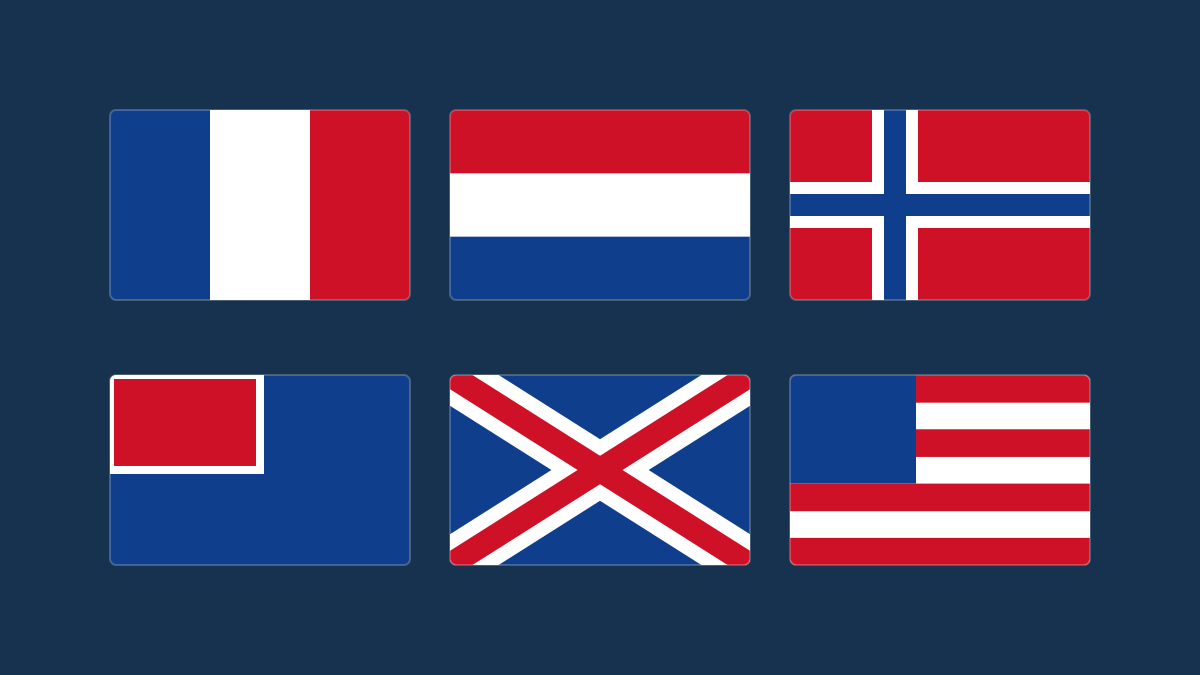
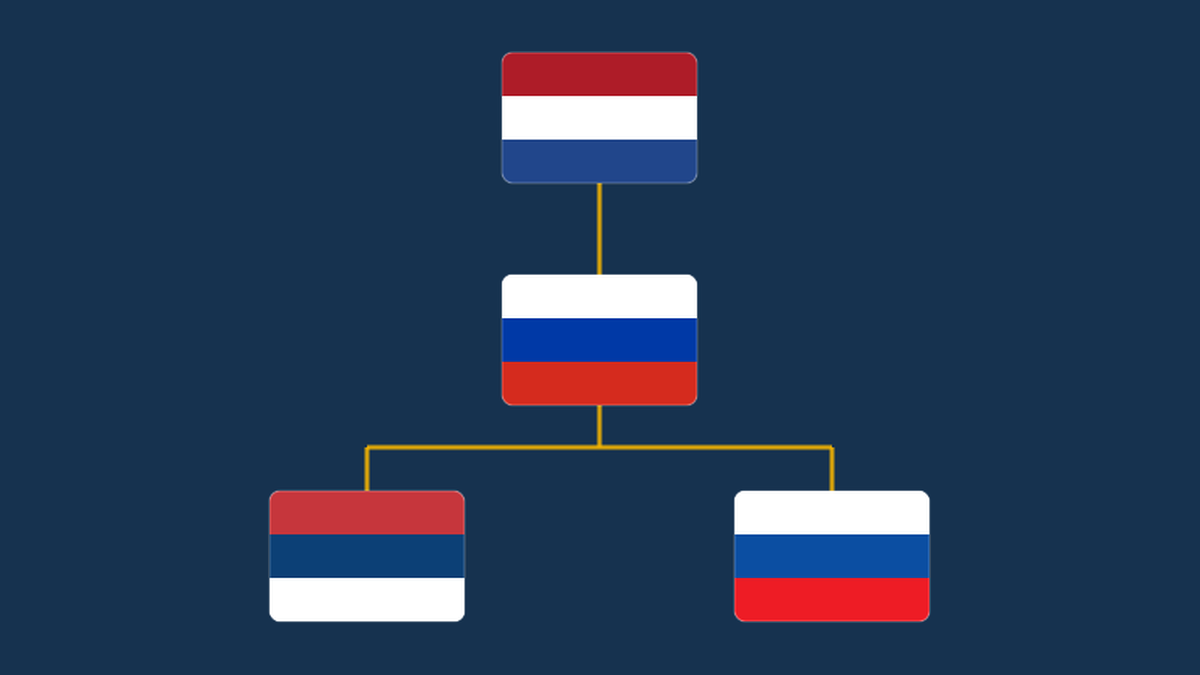
One of the largest families begins in a small country on the North Sea. As early as the 16th century, the United Provinces raised a flag of three horizontal bands, red, white and blue. It was one of the very first tricolours in history, and its destiny would reach far beyond Dutch borders.
In the late 1600s, a young Russian tsar landed in the Netherlands. Peter the Great wanted to learn the art of shipbuilding to modernise his fleet. He left with new skills, but also with an idea: a flag for his ships. The Russian white, blue and red draws directly on the Dutch model. One flag had just given birth to another.
From Russia, those three colours would water a whole continent. In June 1848, in the midst of the revolutions shaking Europe, the first Pan-Slavic Congress met in Prague. The delegates gathered from the Slavic peoples adopted white, blue and red as their shared colours, in tribute to the Russian flag, then the symbol of the largest Slavic state.
Today they appear, in varying orders, on the flags of Serbia, Slovakia, Slovenia, Croatia and Czechia. Not every Slavic nation adopted them: Poland, Ukraine and Bulgaria took other paths. But the lineage remains striking. A Dutch ensign from the 16th century ended up, two centuries later, colouring half of Eastern Europe.
Another great family is older still. It all begins with the Danish Dannebrog, whose use reaches back to the Middle Ages. Its white cross, shifted toward the hoist, a symbol of Christianity, passed to all of Northern Europe. Sweden, Norway, Finland, Iceland and the Faroe Islands each fly a version of that same layout. The field changes, the colour of the cross too, but the skeleton stays the same. To look at a Nordic flag is to gaze upon a descendant of the world's oldest flag.
In 1790, the French Revolution fixed blue, white and red into three vertical bands. The format became a manifesto: three colours standing side by side, a symbol of republic and of a break with the old order. Its structure, more than its colours, would inspire a multitude of flags, from Italy to Ireland, from Belgium to many young nations in Africa and Latin America.
The story of flags holds several more major families, each worthy of its own telling.
The star and crescent, inherited from the Ottoman Empire, appear from Turkey to Tunisia and on many flags of Muslim-majority countries.
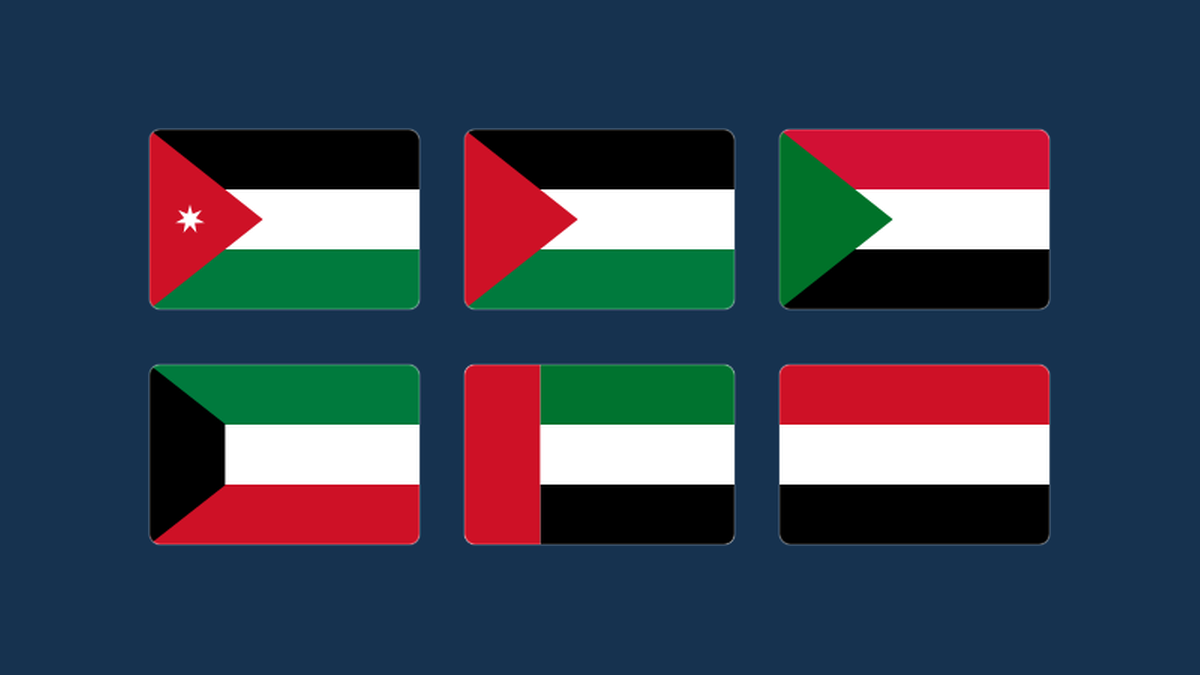
The Pan-Arab colours, black, white, green and red, were born of the Great Arab Revolt of 1916. We devote a whole article to them, "The Pan-Arab Colours and the 1916 Revolt."
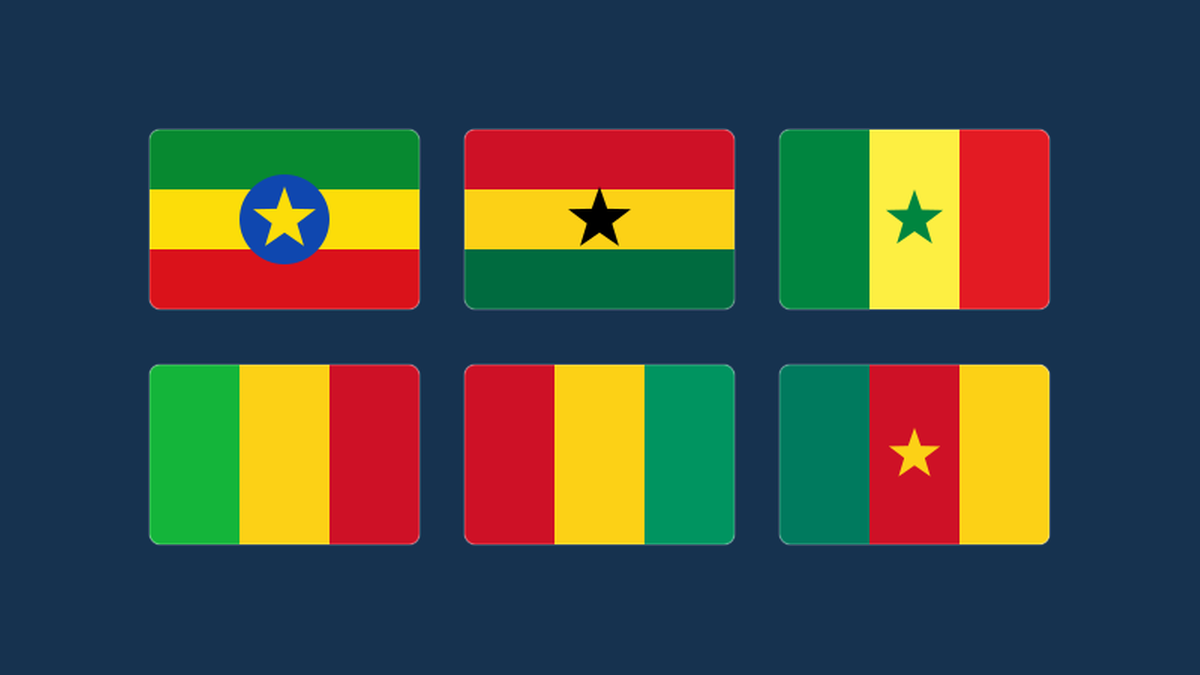
The Pan-African colours, green, yellow and red, come from Ethiopia and spread during the independence era. Here too, a story of its own awaits: "Where Do the Pan-African Colours Really Come From?"
Finally, the British Union Jack hides in the corner of dozens of flags around the world. Two articles are devoted to it: "The History of the Union Jack" and "The Union Jack Hidden in Other Flags."
To understand flag families is to stop seeing coincidences. Two flags that resemble each other almost always tell a shared story: a voyage, a conquest, a revolution, a common idea that crossed borders. Behind every piece of cloth hides a family tree, and that tree is the tree of the world itself.
Keep exploring